“In ṭawāf there is no fixed dhikr from the Prophet ﷺ that he ordered, uttered or taught; the pilgrim may supplicate with any Qur’ān or Sunnah du‘ā.”
— Shaykh al-Islām Ibn Taymiyyah, Majmūʿ al-Fatāwā 26/122
The month of Dhū l-Ḥijjah is near, and many will either travel themselves or wave loved ones off for ʿUmrah or Ḥajj. Below is a concise, memorisable collection of duʿās drawn from the Qur’ān and Sunnah, arranged in the order you will need them.
Before Leaving Home – Duʿā al-Safar
| Arabic | Transliteration | Meaning |
|---|---|---|
| بِسْمِ اللَّهِ تَوَكَّلْتُ عَلَى اللَّهِ، وَلَا حَوْلَ وَلَا قُوَّةَ إِلَّا بِاللَّهِ | Bismi llāh, tawakkaltu ʿalā llāh, wa lā ḥawla wa lā quwwata illā bi llāh. | “In the Name of Allah; I trust in Allah; no power nor might exists except through Allah.” |
Intent: seek protection, guidance and strength before setting out (Riyāḍ as-Ṣāliḥīn 83).
Mounting the Vehicle
Recite the long prophetic duʿā that begins with Allāhu akbar three times and continues “subḥāna-lladhī sakhkhara lanā…” until “fi l-māli wa l-ahl.”
Ibn ʿUmar RA adds that on return the Prophet ﷺ would conclude, “Āyibūna, tāʾibūna, ʿābidūna, li-rabbinā ḥāmidūn.” (Ṣaḥīḥ Muslim 1342)
Ṣalāh al-Iḥrām
- Two rakʿahs after donning iḥrām, head covered, preferably with Sūrah al-Kāfirūn then al-Ikhlāṣ.
- Make heartfelt duʿā straight after.
Niyyah at the Mīqāt
Utter one of the following intentions just before crossing the Mīqāt, read these Umrah Duas must
- لَبَّيْكَ اللَّهُمَّ عُمرةً
- اللَّهُمَّ إِنِّي أُرِيدُ الْعُمْرَةَ
- اللَّهُمَّ إِنِّي أُرِيدُ الْعُمْرَةَ فَيَسِّرْهَا لِي وَتَقَبَّلْهَا مِنِّي
Talbiyah
لَبَّيْكَ اللَّهُمَّ لَبَّيْكَ – لَبَّيْكَ لَا شَرِيكَ لَكَ لَبَّيْكَ – إِنَّ الْحَمْدَ وَالنِّعْمَةَ لَكَ وَالْمُلْكَ – لَا شَرِيكَ لَكَ
✓ Pause briefly at the dashes.
✓ Recite at least once after the niyyah—without it the ʿUmrah is invalid.
Entering Masjid al-Ḥarām
- Step in with the right foot: “Allāhumma ’ftaḥ lī abwāba raḥmatik, wa’ghfir lī dhunūbī.”
- Intend iʿtikāf for extra reward.
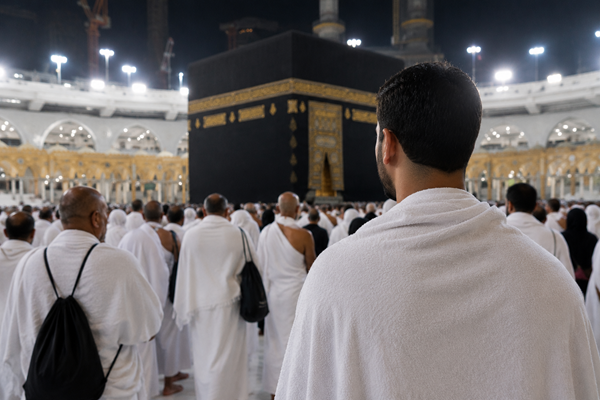
- On first sight of the Kaʿbah, raise hands, proclaim Allāhu akbar, send ṣalawāt and make long personal duʿā—the moment is accepted.
- If not performing ṭawāf immediately, pray two rakʿahs taḥiyyat al-masjid (outside makrūh times).
Etiquette reminders: muted phone, no pungent food, avoid loud voices, worldly talk or removing Ḥaram property.
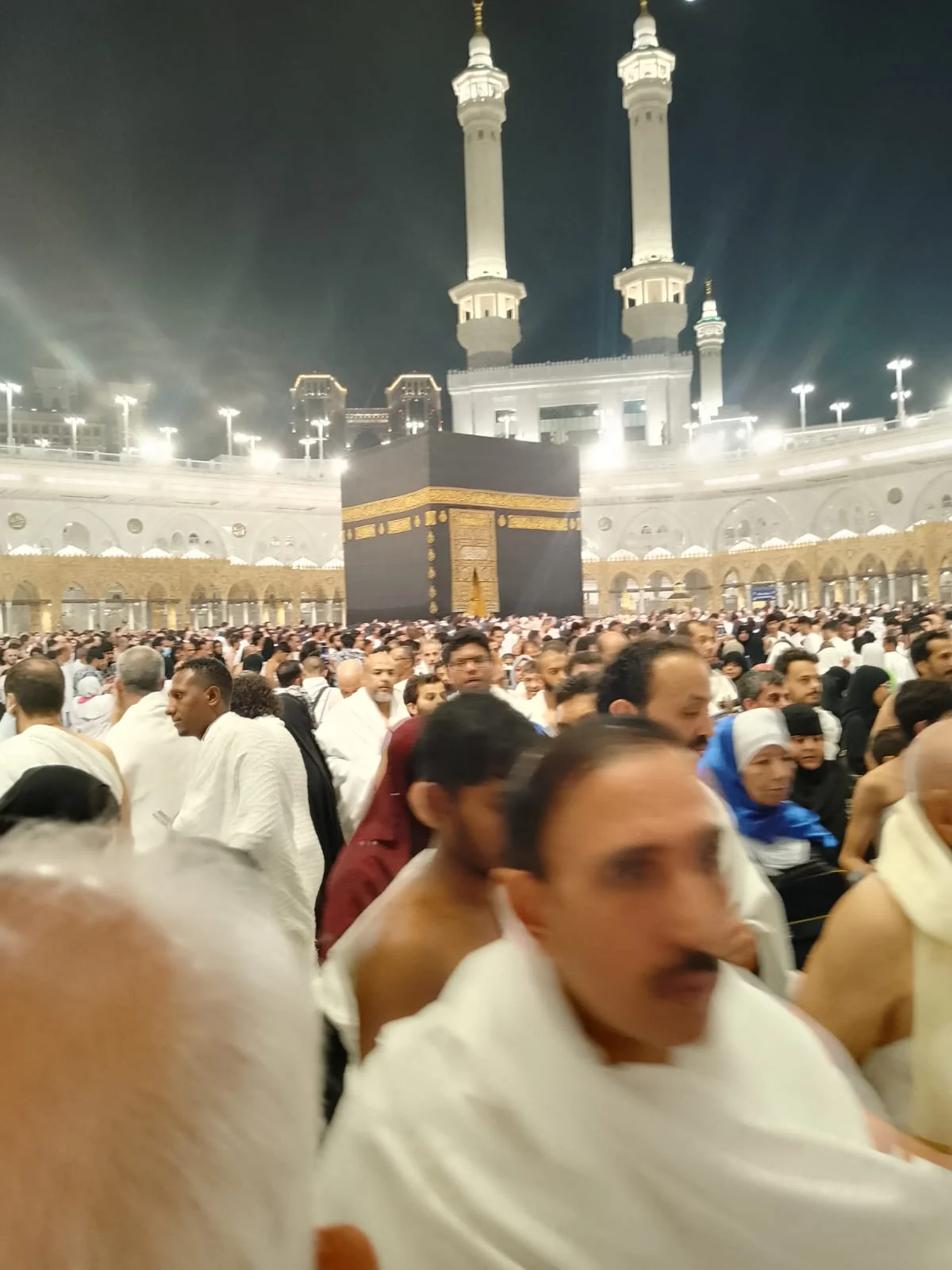
Ṭawāf al-ʿUmrah (Seven circuits)
Preparation
- Men expose the right shoulder (iḍṭibāʿ).
- Stay in wuḍū.
- Cease talbiyah at Ḥajr al-Aswad.
Steps
- Intention: facing the Black Stone silently:
“O Allah, I intend ṭawāf of ʿUmrah to please You; accept and ease it for me.” - Istilām: kiss, touch, or gesture to the Stone, saying “Bismillāhi Allāhu akbar wa-lillāhi l-ḥamd.”
- Ramal: men walk briskly in the first three rounds, then normal pace.
- Circle anti-clockwise, including the semi-circle of Ḥatim.
On Entering Makkah or the Ḥaram Boundary
Constant talbiyah, dhikr and ṣalawāt. Recommended duʿā:
Allāhumma hādhā ḥaramuka wa amnuka…
“O Allah, this is Your sanctuary and safety; forbid me to the Fire, grant me security from Your punishment the Day You resurrect servants, and place me among Your allies and obedient ones.”
Quick-Reference Table of Key Duʿās
| Stage | Minimum Wording to Memorise |
|---|---|
| Leaving home | Bismi llāh, tawakkaltu ʿalā llāh… |
| Mounting vehicle | Subḥāna-lladhī sakhkhara lanā… |
| Niyyah | Labbayka Allāhumma ʿUmrah |
| Talbiyah | Labbayka Allāhumma labbayk… |
| Entering Ḥaram | Allāhumma ’ftaḥ lī abwāba raḥmatik |
| Ṭawāf istilām | Bismi llāhi Allāhu akbar |
Memorise, understand, and recite from the heart, adding personal pleas for yourself, family and the Ummah—Arabic is not required for acceptance. May Allah accept every step of your ʿUmrah dua and shower you with His mercy.