When it comes to planning your Umrah, most people think about things like flights, hotels, and how to do the rituals. But Umrah is more than just a trip. It’s also a journey into your inner self. The most important part of this inner journey, which people often miss, is your nafs, or your inner self. If you want to feel the true, meaningful Umrah, you need to make your nafs (your inner self) follow what the Qur’an teaches.

What is the Nafs?
The Arabic word nafs means “self” or “soul.” You’ll see it a lot in the Qur’an, and it’s mostly about how people act, what’s right and wrong, and how each person is responsible for their own choices.
Our nafs has three main states, and this idea is drawn from the Quran:
- Nafs al-Ammarah – The soul that commands evil (Surah Yusuf 12:53)
- Nafs al-Lawwama – The self-reproaching soul (Surah Al-Qiyamah 75:2)
- Nafs al-Mutma’innah – The tranquil soul (Surah Al-Fajr 89:27)
Every believer should try to go from their first state to a third state where their soul is calm and happy with itself and with Allah.
Why This Matters During Umrah
When you perform Umrah, your heart feels soft, and your mind becomes clear because you are away from your daily schedule. It’s a perfect chance to really look at yourself inside, without all the usual noise. But if you don’t really try to make what you want inside (your nafs) agree with what the Qur’an says, your Umrah might not feel very meaningful. Your Umrah experience may remain superficial.
The Qur’an tells us in Surah Ash-Shams (91:9-10):
“He has succeeded who purifies it, and he has failed who instills it [with corruption].”
This verse has a simple message: true success isn’t about the number of Umrahs you do or how many days you spend. It’s all about making your inner self pure. So if you are planning your Umrah and are looking for Umrah deals from London, remember the message this verse carries.
Preparing the Nafs Before Umrah
Your Umrah journey really starts long before the airport. Take weeks to prepare your heart and soul for it. Here’s how:
- Check Your Intentions (Niyyah): Why are you going? Are you doing this to feel closer to Allah or just to say you did it?
- Cut the Noise: Try to spend less time on social media and entertainment. Utilise that extra time to read or listen to the Quran or just listen to Islamic lectures.
- Write It Down: Make a short journal where you can list your weaknesses and the bad habits that you want to change, like being angry, arrogant, lazy, or greedy.
This stage is where you are honest with yourself.
Engaging the Nafs During the Rituals of Umrah
Every step of your Umrah lets you connect with your inner thoughts and feelings.
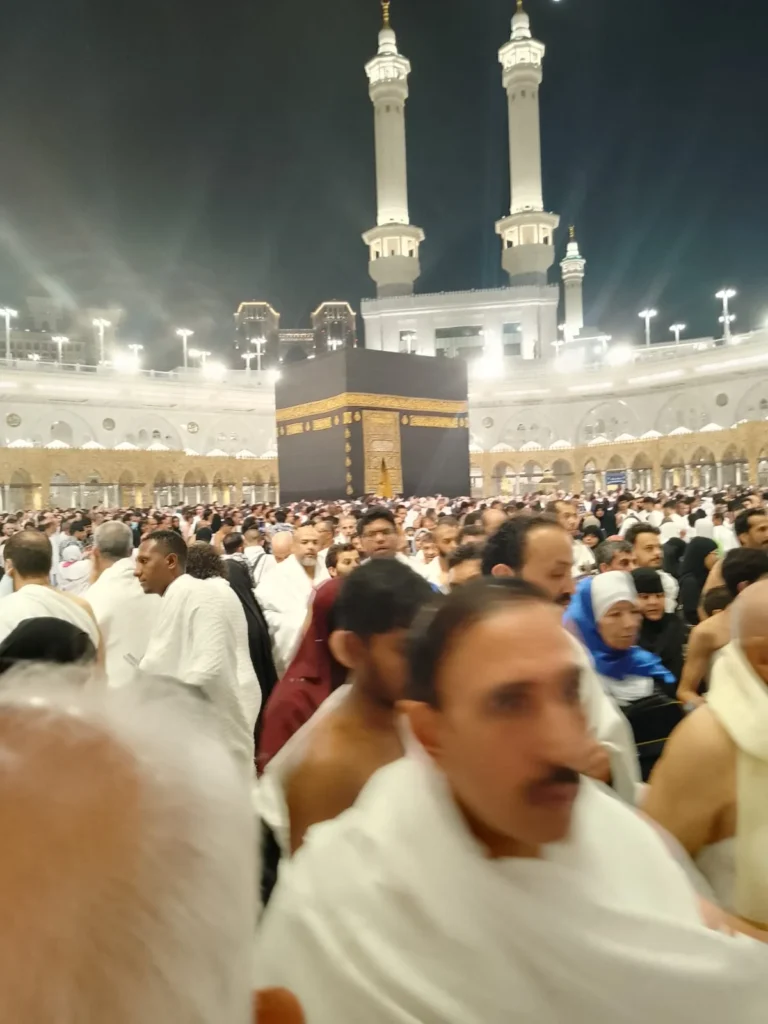
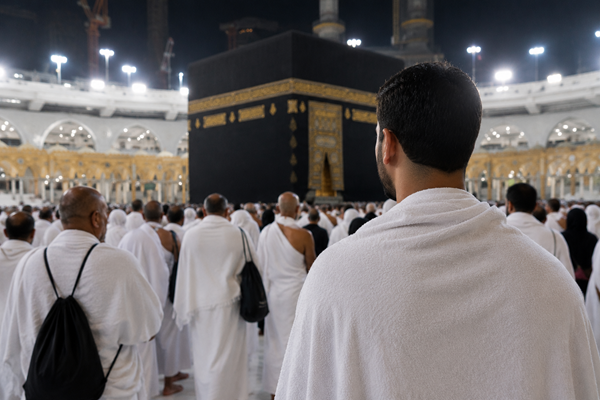
- Tawaf: When you walk around the Kaaba, you are not just walking. You are showing your surrender, making Allah the very center of your world. Look inside yourself: were your own desires leading? Ask Allah for help to change.
- Sa’i (between Safa and Marwa): Hajar’s amazing story about finding water teaches us a lot about facing hard times, being patient, and really trusting God (Allah). It makes us think about our own lives. What are the hardest things you’re dealing with right now? When things get tough, do you give up easily, or do you keep trying? And when do you try to do everything yourself instead of trusting Allah to help you?
- Tahallul (cutting hair): This is a new beginning. It helps you let go of being too proud or caring too much about how you look. Think of it as a big change that shows you’re ready to live a different way when you get back home.
When you do your Umrah rituals, always take time to pray about how you feel inside.
The Prophet Muhammad (peace be upon him) taught that
“Verily, in the body there is a piece of flesh which, if it is sound, the whole body is sound…”
This refers to the heart. That’s where the nafs is.
Practical Habits to Align the Nafs During Umrah
Things you can actually do each day: This means things that are possible and not too hard.
- Start your day with the Qur’an: If you read even one page of the Quran after your Fajr prayer, it can really change your whole day for the better. It makes you feel good and peaceful. When you read, try to focus on verses that truly speak to you.
- Silent Dhikr: When you’re in a crowd, waiting in line, or just walking around, repeat phrases like Astaghfirullah (I seek forgiveness from God), SubhanAllah (Glory be to God), and La ilaha illallah (There is no god but God). These remind your nafs that it’s not in charge.
- Daily Check-ins: Every night, ask: What did I do today that brought me closer to Allah? What did I do that pulled me away?
These simple habits can help you stop just reacting to things and start choosing what you do on purpose.
Remember: the Prophet (peace be upon him) said,
“The strong one is not the one who defeats others in wrestling, but the one who controls himself when angry.” (Bukhari and Muslim).
Final Words
Performing Umrah is like hitting the reset button for yourself. It’s a fresh start for your life. But for this restart, you have to stop doing things you did before. Following the Qur’an’s guidance isn’t just for one day; it’s an everyday practice. If you are looking for Umrah deals 2026, let it be the start of your journey. Let it be how you truly change for the better from your heart.